IG2 Estate Cleaning Guide Quick Tips for Local Landlords
If you let property in IG2, you already know the difference between a room that merely looks tidy and one that feels properly cared for. Tenants notice it. New viewers notice it. And, truth be told, so does every letting agent walking through with a clipboard and that slightly too-professional expression. This IG2 estate cleaning guide quick tips for local landlords is built to help you stay ahead of avoidable wear, speed up turnaround between tenancies, and keep your properties feeling fresh without wasting time or money.
Whether you manage one flat or a small portfolio, the basics are surprisingly consistent: clean deeply, clean logically, and keep records. That sounds simple, but in real life the details are where landlords either save themselves hassle or end up chasing stains at the last minute. Let's get into the practical stuff.
Table of Contents
- Why IG2 estate cleaning guide quick tips for local landlords matters
- How the cleaning process works in practice
- Key benefits and practical advantages
- Who this is for and when it makes sense
- Step-by-step guidance
- Expert tips for better results
- Common mistakes to avoid
- Tools, resources and recommendations
- Law, compliance, standards and best practice
- Options, methods and comparison table
- Case study or real-world example
- Practical checklist
- Conclusion
- Frequently asked questions
Why IG2 Estate Cleaning Guide Quick Tips for Local Landlords Matters
Estate cleaning is not just about making a property look presentable for five minutes. For local landlords, it affects void periods, tenant satisfaction, deposit disputes, and the speed at which a property can be remarketed. In an area like IG2, where many homes are let to working families, commuters, and sharers, first impressions count more than people admit.
A clean property also reduces the "small issue becoming a big issue" problem. A faint odour today can become a complaint tomorrow. Light carpet staining can become "the place smells old" if left too long. And a dusty curtain rail? Easy to ignore until a viewing is lost over something that should have taken ten minutes.
There is also a reputational angle. Local landlords tend to live and work close to the same area they let in. Word travels. A reliable cleaning routine is one of those unglamorous things that quietly protects your business. Not exciting, but very effective.
Expert summary: the best landlord cleaning strategy is not the deepest clean possible every time. It is a repeatable system that targets the areas tenants actually notice, protects finishes, and keeps turnaround fast.
If you want a service benchmark for deeper soft-furnishing work, it can help to look at professional carpet cleaning and upholstery cleaning as part of a move-out plan rather than treating them as optional extras. For more stubborn marks and patches, targeted stain removal is often the difference between "acceptable" and "freshly let."
How IG2 Estate Cleaning Guide Quick Tips for Local Landlords Works
The process works best when you treat cleaning like a turnover workflow, not a one-off chore. Start with a property-wide walkthrough. Then move room by room, focusing on what affects appearance, hygiene, and smell. Finally, do a close inspection under natural light where possible. Around late morning, that window by the lounge can tell you more than any overhead bulb ever will.
In practical terms, a landlord cleaning routine usually breaks into these layers:
- Visual clean: dust, marks, fingerprints, cobwebs, and general presentation.
- Hygiene clean: kitchens, bathrooms, high-touch points, and waste areas.
- Soft furnishing refresh: carpets, sofas, rugs, curtains, and mattresses where relevant.
- Odour control: bins, pets, food residues, damp patches, and smoking remnants.
- Final inspection: windowsills, skirting boards, behind doors, corners, and overlooked edges.
For landlords, the real trick is sequencing. If you clean floors before dusting shelves, you just make extra work. If you deep-clean carpets before handling paint touch-ups, you risk redoing the job. Sequence matters. A lot.
When the property has heavier wear, soft furnishing and flooring care often need specialist attention. That might mean steam carpet cleaning for embedded dirt, sofa cleaning in furnished lets, or mattress cleaning if beds are provided. It is all about matching the method to the material, not just blasting everything with the same product and hoping for the best.
Key Benefits and Practical Advantages
A strong cleaning routine gives landlords several practical wins at once. The obvious one is appearance. The less obvious ones are time, credibility, and fewer disputes. That combination is worth more than it sounds.
- Faster re-letting: a clean, fresh property photographs better and feels easier to move into.
- Better tenant confidence: people settle more quickly when a home feels cared for.
- Less maintenance creep: dirt hides damage, so regular cleaning helps you spot issues earlier.
- Reduced complaint risk: odours, stains, and dusty surfaces are common flashpoints.
- Improved asset life: carpets, curtains, and upholstery last longer when looked after properly.
There is also a practical financial angle. If a ten-minute decision saves you from replacing a rug or repainting a room prematurely, that is not "just cleaning" anymore. That is property management, done properly.
For landlords who manage furnished or part-furnished properties, the difference is even starker. A clean carpet, a fresh sofa, and a mattress without stale odour can make a small flat feel much more valuable. And yes, tenants do notice. Usually within about three seconds.
Who This Is For and When It Makes Sense
This guide is most useful for local landlords who handle single lets, HMOs, student rooms, short-term turnaround properties, or inherited homes being prepared for market. It also suits agents and property managers who need a practical baseline for cleanliness without overcomplicating things.
You will find it especially useful when:
- a tenancy is ending and the next viewing is soon after
- there has been normal wear rather than major damage
- the property contains carpets, fabric sofas, rugs, or curtains that hold odours
- you want a sensible routine before professional cleaners come in
- you are comparing in-house cleaning with outsourced help
It may also help if you are trying to decide what to handle yourself and what to leave to specialists. For example, a landlord may be fine with general room cleaning but less comfortable dealing with pet odours, deep carpet traffic lanes, or upholstery spots. That is normal. No one gets bonus points for wrestling a mystery stain with the wrong spray.
Step-by-Step Guidance
Here is a straightforward process you can use for most IG2 rental properties. Adjust it to suit furnished, unfurnished, or shared accommodation, but keep the order. It saves time.
- Walk the property first. Make a quick note of damage, stains, odours, mould risk, and neglected spots. Photograph anything that might matter later.
- Open windows and air the rooms. Fresh airflow makes every other task easier and helps you assess what smells are actually present.
- Clear loose clutter. Bags, old bins, forgotten cleaning products, and tenant items should be removed before cleaning starts.
- Dust from top to bottom. Start with shelves, light fittings, curtain rails, and tops of cupboards, then move down to skirting boards and surfaces.
- Tackle kitchens and bathrooms early. These spaces need stronger attention because grease, limescale, soap residue, and food traces build up quickly.
- Refresh floors and soft furnishings. Vacuum carpets and rugs thoroughly, then decide if deeper treatment is needed.
- Handle spot cleaning carefully. Test solutions first where possible. Blot, don't rub. Rubbing usually makes things worse, annoyingly.
- Sanitise touch points. Door handles, switches, banisters, appliance handles, taps, and remote controls all deserve attention.
- Finish with inspection lighting. Check corners, under radiators, behind doors, and around window ledges.
- Document the result. A few clean photos after the work is done can help with records and handovers.
If a property has carpeted living spaces or hallways, consider whether a deeper refresh is needed between tenancies. For example, a hallway runner in a busy family let can hold far more grime than it appears to, especially near the door and around the main walking path. In those cases, rug cleaning or carpet treatment may be a smart call rather than a cosmetic one.
Expert Tips for Better Results
Small choices make a big difference. Most of the time, better landlord cleaning comes down to consistency and restraint. Use the right process, not the harshest product you can find.
- Use a stain-first mindset. Fresh marks come out easier than old ones, so treat spills quickly after checkout.
- Work in zones. One room fully finished is better than three rooms half-done.
- Keep a landlord cleaning kit ready. Cloths, gloves, neutral detergent, sponges, a vacuum, a brush, and a good deodorising option.
- Be careful with strong fragrances. A heavy scent can hide problems rather than solve them.
- Think about materials. Curtains, mattresses, and sofas do not all respond the same way to moisture or heat.
- Inspect the places nobody likes to inspect. Under beds, behind toilets, around bin areas, and along the backs of radiators. That is where the truth lives.
One practical habit worth adopting: always clean in the same order. After a few turnarounds, your eyes will naturally look for the same missed spots. That sort of routine saves more time than any fancy product ever will.
Where furnishings need attention, soft textile care can help a property feel newer without replacing everything. Services like curtain cleaning and mattress cleaning are often overlooked, but they can lift a whole room. You notice it in the air, too. Cleaner textiles just smell calmer, if that makes sense.
Common Mistakes to Avoid
Let's face it, most cleaning mistakes are not dramatic. They are the little shortcuts that create bigger problems later. A rushed landlord clean often looks okay for about an hour, then the sunlight comes in and exposes everything.
- Skipping the inspection first. You need to know what you are dealing with before you start spraying and wiping.
- Using one product for everything. Kitchens, fabrics, glass, and painted surfaces each need different handling.
- Over-wetting carpets or upholstery. Too much moisture can leave smells, marks, or drying issues.
- Ignoring odours. A place can be spotless and still feel unpleasant if smells are left behind.
- Cleaning around clutter instead of clearing it. That nearly always wastes time.
- Forgetting the final touch points. Doors, handles, switches, and skirting boards change the whole impression.
Another common issue is doing cosmetic cleaning while leaving structural problems unaddressed. A clean room with damp patches or old leaks still feels wrong. If there is a moisture issue, clean carefully and flag it properly rather than pretending the smell will magically disappear. It won't.
Tools, Resources and Recommendations
You do not need a warehouse of specialist gear to maintain a clean rental. In most cases, a sensible basic kit plus the occasional specialist service is the best approach.
| Method or tool | Best for | What to watch for | Landlord value |
|---|---|---|---|
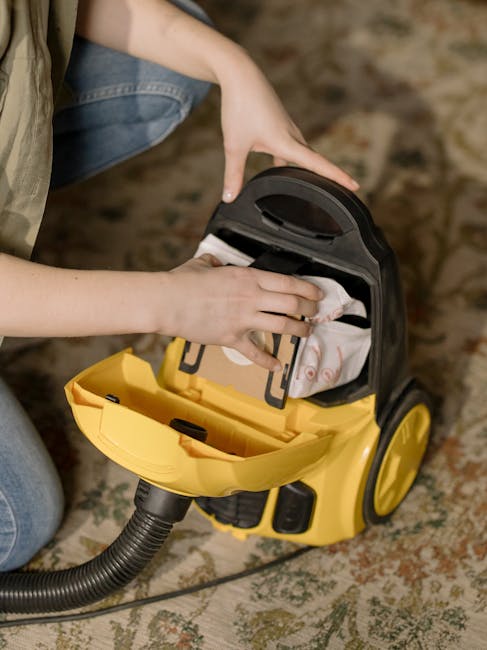
| Vacuum cleaner with attachments | Carpets, edges, stairs, upholstery crumbs | Bag or filter maintenance | Essential for day-to-day turnover |
| Microfibre cloths | Dusting, polishing, quick wipe-downs | Cross-contamination if not changed often | Cheap, fast, reliable |
| Neutral cleaning solution | General surfaces and routine cleans | Avoid overuse on sensitive finishes | Good all-rounder |
| Steam-based carpet treatment | Deep cleaning traffic areas and embedded dirt | Drying time and fabric suitability | Useful for heavier wear |
| Specialist stain treatment | Food, drink, pet and unknown marks | Patch test first where appropriate | Helps preserve presentation |
| Fabric care services | Sofas, curtains, mattresses, rugs | Material compatibility matters | Strong for furnished lets |
If you want a service partner for larger or more stubborn jobs, it can be worth exploring commercial carpet cleaning for multi-property or high-footfall settings, alongside sofa cleaning and upholstery cleaning where fabrics need specialist care. A targeted approach usually beats a blanket one.
Law, Compliance, Standards and Best Practice
For landlords, cleaning is not usually the most regulated part of property management, but it still sits inside a wider duty of care. You are expected to provide a property that is safe, reasonably clean, and fit for occupation at the relevant stage of tenancy handover. The exact obligations depend on the tenancy type and situation, so keep your process sensible and well documented.
Best practice usually means:
- keeping a move-in and move-out cleaning record
- taking dated photographs before and after cleaning
- separating normal wear from avoidable dirt or damage
- using products safely and as directed
- making sure any hired cleaners are properly insured and aware of access arrangements
It also helps to have clear terms around cleaning expectations in your tenancy documents and checkout process. Not overly strict, just clear. That way everyone knows what "clean" means before the property changes hands. Mismatched expectations are where half the arguments begin.
Where safety is concerned, handling chemicals, electrical equipment, ladders, or wet floors should be done carefully. If you are arranging cleaning through a provider, checking their insurance and safety approach is a sensible move. You can also review a company's own health and safety policy, plus its insurance and safety information, before giving them access to your property. That is just good housekeeping, really.
Options, Methods, or Comparison Table
Different properties need different levels of cleaning. Here is a simple comparison to help local landlords decide what makes sense.
| Option | Best for | Pros | Limitations |
|---|---|---|---|
| DIY standard clean | Lightly used, well-maintained lets | Low cost, flexible timing | Can miss deeper dirt and odour |
| DIY plus spot treatments | Homes with a few problem areas | Good balance of cost and control | Still needs time and basic know-how |
| Professional deep clean | End-of-tenancy refresh, furnished properties, heavy traffic areas | Better for carpets, upholstery, and odours | Higher upfront cost |
| Targeted specialist services | One room, one fabric, or one major issue | Efficient and focused | Not a full property solution on its own |
To be fair, most landlords end up using a blend. A bit of DIY for surfaces, then specialist support for the bits that really need it. That is usually the smartest route, not the fanciest one.
Case Study or Real-World Example
Picture a typical two-bedroom IG2 flat between tenancies. The property is tidy, but the living room carpet shows footpath marking near the sofa, the hallway has a faint damp edge from winter boots, and the sofa has a light drink stain from a previous tenant. Nothing dramatic. Just enough to make the place feel less cared for than it actually is.
A landlord could spend a full day trying to tackle everything manually, or they could split the job sensibly. General cleaning handles the kitchen, bathroom, and surfaces. Carpet treatment lifts the main traffic marks. The sofa gets a focused fabric refresh. Curtains are checked for dust and odour. By the end, the flat feels brighter, lighter, and much more ready for viewings.
The key lesson is not that every property needs a deep clean every single time. It is that the right clean in the right place creates a much better impression. That's it. Simple, but easy to miss when you are juggling keys, deposit queries, and a plumber who may or may not arrive before lunch.
Practical Checklist
Use this checklist before marketing a property or handing it back to a tenant.
- Open windows and air the property
- Remove rubbish, forgotten items, and loose clutter
- Dust high surfaces, then lower ones
- Clean kitchen appliances, sinks, and worktops
- Scrub bathroom fixtures, taps, and tiles
- Vacuum carpets, rugs, and stairs thoroughly
- Check sofas, curtains, and mattresses for marks or odours
- Treat visible stains before they set further
- Wipe handles, switches, and other touch points
- Inspect corners, skirting boards, behind doors, and under furniture
- Take final photos for records
- Confirm the property smells neutral, not masked
Quick tip: if you can smell a room the moment you open the door, a visual clean alone will not be enough. That usually means soft furnishings or hidden damp need attention too.
If you are comparing prices or planning a broader turnaround, it may help to review pricing and quotes before you schedule the work. And if you want to understand how a provider handles transactions and booking security, the payment and security page is worth a look as well.
Conclusion
For local landlords in IG2, cleaning is never just cosmetic. It supports faster lets, better tenant experiences, and less stress at handover time. The best approach is calm, repeatable, and honest: clean the obvious areas well, deal with soft furnishings before they become a problem, and document everything that matters.
There is no prize for making the process more complicated than it needs to be. A solid routine, sensible products, and the right specialist help where needed will usually do more for your property than a frantic last-minute scrub ever could.
And if you keep the home feeling fresh from one tenancy to the next, you are not just maintaining a building. You are protecting its value, one decent clean at a time.
Get a free quote today and see how much you can save.
Frequently Asked Questions
What does an IG2 estate cleaning guide quick tips for local landlords actually cover?
It covers the practical cleaning steps landlords can use to prepare a rental property between tenancies, with a focus on presentation, hygiene, odour control, and turnaround speed.
How often should a landlord arrange deep cleaning in a rental property?
There is no single rule that fits every property. Many landlords do it between tenancies, after heavier wear, or when carpets, upholstery, and odours need more than routine cleaning.
Do I need professional carpet cleaning for a normal end-of-tenancy clean?
Not always, but it is often worth considering if the carpets show traffic marks, visible stains, or lingering smells. A standard vacuum alone will not always be enough.
Which parts of a rental property do tenants notice first?
Entrance areas, bathrooms, kitchens, carpets, and the overall smell of the place usually make the strongest first impression. Then people start noticing the smaller things.
Can I use strong fragrance sprays to make a property seem cleaner?
You can, but it is usually better not to rely on them. Heavy scent can mask deeper issues rather than solve them, and some tenants dislike it.
What is the biggest mistake landlords make with cleaning turnarounds?
Rushing the final inspection. That is when missed marks, dusty corners, and lingering odours usually show up, especially in natural daylight.
Should furnished properties be cleaned differently from unfurnished ones?
Yes. Furnished properties need extra attention for sofas, curtains, mattresses, rugs, and other fabric surfaces that absorb dust and odour over time.
How do I reduce deposit disputes over cleanliness?
Use clear tenancy expectations, take before-and-after photos, and keep a simple cleaning record. Being consistent helps more than being argumentative, honestly.
What should I do about pet smells in a rental property?
Start with ventilation and a thorough clean, then check carpets, upholstery, and soft furnishings. If the smell has settled into fabrics, targeted treatment is often needed.
Are steam-based cleaning methods suitable for all carpets?
No. Some carpets and fabrics can handle moisture and heat better than others, so suitability depends on the material and condition of the item.
Where do health and safety concerns fit into landlord cleaning?
They matter whenever chemicals, electrical equipment, wet floors, or access arrangements are involved. Using safe methods and checking provider insurance is sensible practice.
How do I know whether a property needs a standard clean or a deeper refresh?
If the property only has light dust and surface marks, a standard clean may be enough. If there are stains, odours, traffic lanes, or tired textiles, a deeper refresh is usually smarter.
Can cleaning really make that much difference to a viewing?
Yes. A clean property feels brighter, better maintained, and easier to imagine living in. People rarely say, "Wow, great skirting boards," but they do notice when a place feels cared for.